Waiting room puffery

A new patient-friendly digest has appeared in the waiting room of my clinic. The front page features a beaming woman around 60 who proclaims, “I love what I see in the mirror now!” Her GLP-1 testimonial follows the typical plot line in drug ads: a relatable character feels trapped in their chronic illness. They’ve tried everything, and all that’s left is discouragement. Then, they hear about the new elixir and ask their doctor. Soon their vitality floods back, and they find themselves clinking beverages with dear friends on a pontoon boat. 

The magazine emphasizes in bold print the beginning, middle, and triumphant end of the patient’s struggle:

“The scale fluctuated so many times.”

“I asked my doctor about GLP-1s.” 

“Finally, I’m maintaining my weight loss!”

As a GLP-1 prescriber, I have to wonder if her account was varnished. There is no mention of any hiccups getting the medication covered by insurance. She apparently suffered no side effects, unlike the majority of GLP-1 users. And she has not attempted to wean off the medication, which tends to cause total rebound of weight. 

Turn the page, and a full-spread advertisement invites us to “Discover the Power of Wegovy.” Many of my clinic’s patients did not graduate high school and might gloss over the fine print. It includes: 

“Wegovy may harm your unborn baby…”

“It is not known if Wegovy will cause thyroid tumors…”

“Wegovy may cause…pancreatitis…gallbladder problems…hypoglycemia…kidney failure…severe stomach problems…change in vision…increased heart rate…food or liquid getting into the lungs during surgery or other procedures that use anesthesia…depression or thoughts of suicide…”

More educated patients who can read the fine print still would not learn about lean muscle loss, which accounts for up to 40% of weight loss on a GLP-1. And crucially, there is no discussion of the opportunity cost. 

How much time would someone have for a nutrition jumpstart program if they weren’t saddled with GLP-1 follow-up appointments? How much money would they save for vibrant produce if they weren’t spending it on appetite suppressants? How much freedom would they have to hit the gym if they weren’t incapacitated by nausea? 

An investment firm describes this magazine as “a healthcare marketing platform” delivering “high-quality medical education to patients and healthcare professionals directly at the point of care and beyond.” However strategic it is for pharmaceutical affiliates to disguise marketing as education, their deception has consequences outside the executive suite. 

Every day I see patients on GLP-1’s with gastrointestinal uproar, insurance fiascos, plateauing weight entrenched in the obese range, plateauing sugar stuck in the diabetic range, plateauing blood pressure pulsing in the hypertensive range—you get the idea. Is anyone actually being healed by GLP-1s?

Patients are further enmeshed in the pseudo-medical web with the American Association of Clinical Endocrinology (AACE) serving as content reviewer for this magazine. While nurturing top-tier sponsor and Wegovy maker Novo Nordisk in its pocket, AACE shamelessly disclaims, “The appearance of advertising [for Wegovy] does not imply endorsement of or guarantee the claims of the advertisers.” 

Perhaps a personal silver lining to the corporate capture of healthcare is that it makes me keenly averse to bias. I recognize that the magazine encourages dietary fiber and 150 minutes of exercise per week. I appreciate its endorsing the Mediterranean diet, which involves a fraction of the animal products consumed by the average American. I agree that GLP-1s are the lesser evil in some cases, and have seen them lend people temporary relief. 

But obesity is not a Wegovy deficiency. Healthcare needs to reclaim its credibility by getting out of bed with the industry, getting dressed and going to work for patients instead of profit. 

Afterthoughts on Ozempic

Recently I got to go on live radio to discuss GLP-1 drugs like Ozempic. The show possibly came about as a publicity move for the bariatrics department, but they tapped me to balance things out. Around the studio table sat a bariatrician, who performs gastric sleeve and bypass surgery, and her dietician colleague who helps patients qualify for and then succeed with the gut wrenching procedures. Next to me sat a professional actor who shared her struggle with weight, and had started a GLP-1 three months back. The first month she was perennially nauseous, but now she felt great. There are a few things I didn’t have a chance to say on the air:

1. The actor mentioned obtaining her GLP-1 from Hers, an online prescriber. These digital dispensaries are an understandable response to dysfunction in healthcare, but they are riskier than going to a doctor who knows you and can devise a safe plan. There is no requirement with Hers to do blood work before starting meds, or at regular intervals during treatment. Since GLP-1s often cause vomiting and diarrhea, patients risk developing electrolyte derangements and kidney injury. Checking labs can actually make the difference between life and death. 

This is why when you sign up for Hims/Hers, you must submit that “..IN NO EVENT SHALL HIMS & HERS BE LIABLE TO YOU…FOR ANY…CONSEQUENTIAL DAMAGES, PERSONAL OR BODILY INJURY, EMOTIONAL DISTRESS, OR WRONGFUL DEATH…” Deeper into the fine print, they seem to contradict themselves, but qualify that, “HIMS & HERS SHALL BE LIABLE ONLY TO THE EXTENT OF ACTUAL DAMAGES…NOT TO EXCEED U.S. $1,000.” 

Still, Hims and Hers have found themselves at the center of several class action lawsuits for alleged fraud. Telehealth pill mills may be convenient, but they make GLP-1s even more dicey than they already are. I would venture that it’s worthwhile to discuss eligibility for a new medication with your doctor, who can then monitor your response to it.

2. The surgeon argued that lifestyle medicine doesn’t work, citing a longitudinal study of contestants from “The Biggest Loser” reality show. Since most of them regained their weight years later, she suggested, diet and lifestyle must not be a sustainable solution. Let’s explore this. First, the sample size was fourteen people. Second, there was no ongoing lifestyle intervention between the end of the show and the six-year mark when contestants were reevaluated. Did anyone expect these individuals, who underwent a nationally televised crash diet, to succeed in maintaining the weight loss six years later, without support? 

For those less into reality TV, numerous studies demonstrate a strong link between diet and sustainable weight loss. 

Here is a review of plant-based dietary interventions involving over 10,000 people. And here’s another featuring 19 different plant-based trials. 

Large population studies like EPIC and Adventist Health 2 have indicated a direct relationship between plant-based diet and normal weight. And this randomized trial demonstrated the efficacy of a plant-based diet for weight loss at 1 and 2 years with ongoing education. 

3. Finally, I missed my chance on the panel to commemorate the 1975 hit “Magic” by Pilot, which has been irredeemably ruined in Novo Nordisk’s ad that goes, “Oh, Oh, Oh, O-zemp-ic!” I like to think that if Pilot frontman David Patton understood the shortcomings of GLP-1s, he would not have sold the rights to his soul.

Disease reversal on the dancefloor

I recently attended a close friend’s wedding and was happily inundated with positive testimonials around plant-based diet and lifestyle change. The groom’s childhood home was our hangout spot starting in middle school. His Mom was always whipping up something delicious, and while I accepted plenty, I would pass on any red meat per my own family’s code. On college breaks, our friends would reunite there and I now subtly kept to the vegetarian offerings. By graduation I was vegan, and not as subtle.

The would-be groom absorbed my arguments in our early 20’s and did his own homework. Affable, athletic, and highly rational, he became and has been mainly plant-based since 2018. Soon, his parents stopped buying meat and opted for nondairy milk. His Mom’s cholesterol improved such that her doctor stopped nagging her about starting a statin. And my friend found gratification in a lifestyle consistent with personal and planetary health.

His childhood neighbor was the first to approach me at the wedding: “Zach, I’ve been plant-based for 2 months. I lost 15 pounds and feel amazing.” This unexpected herbivore explained that his priorities shifted in anticipation of his first baby. He had been watching the groom for years, but fatherhood was the straw that spared the camel’s back.

At the same reception, I received a bro shake from someone vaguely familiar. He had been much heavier a couple years ago when we met, and I ended up counseling him over the phone for debilitating heartburn, acid reflux and globus sensation in his throat. He became plant-based, minimized alcohol, and said that his recent upper endoscopy was clean—whereas the prior study had shown esophagitis. A hoot on the dance floor, he looked fit and free. 

If that weren’t enough, I got wind that the father of the bride wanted to chat. For the past 18 months, he had kept to a “Zach-approved” diet without ever having met the approver. While his wife always ate conscientiously, Mr. K indulged in standard fare and suffered a heart attack requiring two stents in 2024. With his wife and the groom’s conviction around food as medicine, he became mostly and then strictly whole-food plant-based. He lost over 40 pounds and weaned the initial laundry list of cardiac drugs down to a baby aspirin and a moderate-intensity statin. I imagine watching your daughter get married takes on even greater significance after surviving a heart attack. He had become steadfast in recovery from animal consumption, with every intention of enjoying retirement and perhaps becoming a grandfather.

In a culture seemingly resigned to nutritional self destruction, I was encouraged to hear such stories. Even more profound is the realization that we can influence people we may never meet. Each of us holds the weight to set off a ripple.

A peek at the 15 drugs chosen for Medicare price negotiations

The 2022 Inflation Reduction Act included a historic provision allowing the government to negotiate with drug companies for the first time. 10 particularly expensive drugs were already negotiated, with reduced costs taking effect in 2026. Just in the first year, Medicare beneficiaries are projected to save $1.5 billion out-of-pocket. This is significant, but also highlights our international distinction of holding zero leverage with the pharmaceutical industry until recently. Even now, only the ~15% of Americans with Medicare Part D will be eligible for discounts (ie, the millions of seniors without Part D–and everyone with private health insurance–will continue to pay more for the same drugs).

This year, the new administration indicates it will comply with the second round of negotiations which includes 15 additional drugs. The sexiest is semaglutide, formulated as Ozempic, Rybelsus, and the higher-dose Wegovy. Thus far Medicare covers Wegovy for patients with obesity and comorbid heart disease, but not for weight loss alone. The pharmaceutical industry and various factions are diligently lobbying to change that. If Wegovy coverage is expanded for weight loss, millions more patients will become eligible and Medicare expenditures on Wegovy will dwarf the savings from its negotiated price.

Other drugs on the list of 15 include:

  • Trelegy and Breo inhalers for chronic obstructive lung disease, a formidable and costly consequence of smoking in most cases
  • Tradjenta and Janumet for type 2 diabetes
  • Xtandi, Pomalyst, and Ibrance for various cancers associated with obesity
  • Linzess and Xifaxan for irritable bowel syndrome (IBS is highly amenable to dietary intervention; Xifaxan is also prescribed for hepatic encephalopathy which follows excess alcohol use)
  • and Otezla for psoriatic arthritis, which is again linked to obesity, drinking and smoking

The remaining 4 drugs target medical conditions less associated with lifestyle. Though 2 of them share a relationship: Austedo is typically prescribed to treat the distressing facial twitch that results from long-term use of antipsychotics like Vraylar.

Medicare’s drug negotiations are crucial, but only the tip of the price-berg. How much more could patients and tax-payers save if we reined in targeted advertising for bacon cheeseburgers and flavored vodka?

https://www.cms.gov/newsroom/press-releases/hhs-announces-15-additional-drugs-selected-medicare-drug-price-negotiations-continued-effort-lower

How do you know a plant-based septic tank?

By its “sheen.” This is what a septic tank service guy told my friend in Florida when he thought his backyard tank was overdue. “Ya’ll don’t really need a pump,” the septic man said in his blue-gray coveralls. My friend was unsure: his neighbors needed their septic tanks pumped every few years. Inspecting the filter, the man asked, “You guys vaygans?”

“How did you know that?” My friend asked, incredulous. The septic savant explained there was a certain “sheen” on the filter, and a unexpectedly low volume of solids in the tank. Evidently, he had been in the business long enough to identify an herbivorous household by its relatively benign fecal sludge.

While there isn’t much research corroborating this remarkable anecdote, we know empirically that plants decompose sooner than animals. This is why some compost systems exclude meat, and why fallen leaves often disintegrate into soil by spring.

Decomposition is accomplished largely by microbes, and the microbiology of septic waste appears to be a rigorous science. Per Maine’s Department of Health, “the microbes associated with septic systems are bacteria, fungi, algae, protozoa, rotifers, and nematodes.” Anaerobic bacteria are responsible for the initial metabolism of fresh slop inside a tank. Then, as thinner effluent leeches into the drain field under your backyard, more complex microbes feast until the treated water disperses into the ground.

In the case of my Florida friend’s shimmering cesspool, the anaerobic digestion was efficient enough to minimize solid waste. Where did such quality bacteria come from? Necessarily it came from my friend and his family’s colons. Some combination of their diet and consequent gut microbiota had optimized digestion downstream of the toilet.

There are many variables here, and experiments would have to be done to establish causality. But considering the service man’s experience and what we do know about human waste, is there any better testament to the plant-based advantage than a healthy septic tank?

“Hot Topics in Primary Care”

The other day I received a special edition of a reputable family medicine journal in the mail. Let’s flip through.

The first article reviews clinical cases where continuous glucose monitors came in handy and encourages primary care doctors to utilize them. The author sits on the advisory board for five device and pharma companies, including Abbott which makes the Freestyle Libre monitor. Abbott graciously sponsored the article itself.

The next piece encourages PCP vigilance in the early detection of Alzheimer disease. Fair…except that the authors sit on the advisory board for Eisai Pharmaceuticals, maker of Leqembi which is controversially approved for early-stage Alzheimer disease. Leqembi deserves a post of its own, but essentially is viewed skeptically by neurologists because it carries a significant risk of brain hemorrhage and also doesn’t really work.

I was optimistic when the next article centered on “the importance of asthma care.” On closer inspection, it serves to stimulate pulmonology referrals so more patients (mostly children in this case) can start on pricey biologic drugs to modulate their immune systems. The article is funded by AstraZeneca, manufacturer of Tezpire and Fasenra which are featured prominently. True, these aren’t the only biologic drugs discussed. But the other ones (Xolair, Nucala, Cinqair, and Dupixent) are also sold by companies with whom an author discloses financial relationships.

Turning the page, I ventured to play a game. I would read the fine print to identify the article’s funding source, then guess the topic. This piece was supported by Corcept Therapeutics, maker of Korlym which lowers cortisol. Might this be an article enjoining PCP’s to pick out eligible patients? The title reads, “Hypercortisolism is More Common Than You Think–Here’s How to Find It.”

The authors successfully put Korlym on my radar, and from KFF I learned, “[The] chief executive of…Corcept said Korlym’s average cost per patient is $180,000 annually and concedes that ‘we have an expensive drug. There’s no getting around that.'” This is dubious, since Korlym is actually a re-patented abortion drug which has been around since 2000 and is sold for a fraction of the price.

The journal proceeds with two articles on COPD guidelines and one highlighting new formulations of insulin, all written by clinicians tied to the relevant drug companies. Another sheds any pretense of impartiality by featuring its drug in the title: “The Role of Finerenone in Optimizing Cardiovascular-Kidney-Metabolic Health: Everything PCPs Should Know.” It would be one thing if an unaffiliated physician who finds finerenone valuable to patients wrote this article. But authors financially involved with the drug manufacturer, writing an article “supported by funding from Bayer”?

Ultimately this journal edition is little more than a sophisticated advertisement–which is insulting, but the real issue is how patients seeking objective advice can’t rely on it. No drug should be boycotted, and some patients do benefit from the latest and greatest technology. But the vast majority of illness in the US is foodborne chronic disease. Lifestyle medicine–which is safer, cheaper, and more effective for most conditions–should be the bedrock of primary care, and patients deserve no less.

An Apple a Day

This fall, toward the end of a glorious apple season in upstate New York, I started offering an apple to every patient. Office staff, who seem to consider me some cross between a rabbit and puppy, would affectionately roll their eyes or say “aww” on first witnessing the routine. But any cuteness in the gesture of a doctor distributing apples is a bonus. The primary goal is practical: if I want to keep patients healthy, I need them to eat more fruit. What better variety than apples, which store well, cost little, and famously “keep the doctor away?”

I now enter the exam room with a straw basket of crisp apples. Offering one right away sets a wholesome tone for the visit. Most patients are meeting me for the first time at this stage, and the surprise apple seems somehow disarming. When diet inevitably comes up in our interview, my counseling may feel more concrete with their next snack resting in hand. All positive outcomes–but the magic I was originally after lies within that apple. Each contains around four grams of fiber, one gram of protein, and a parade of nutrients like vitamin C, potassium, quercetin, and catechin. The latter two prevent oxidation and stabilize free radicals in our cells, contributing to their reputation for staving off heart disease, diabetes, and cancer.

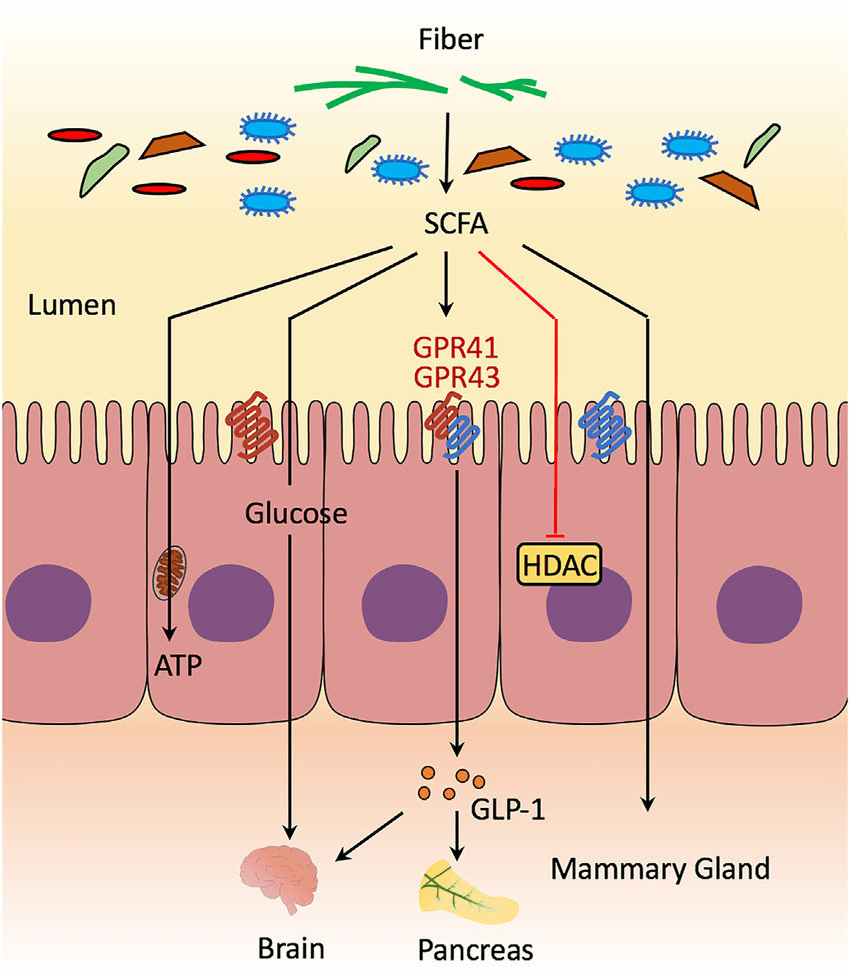
But the ingredient I’m most excited to deliver to patients is fiber. Based on data from National Health and Nutrition Examination Survey (NHANES), 95% of US residents do not consume enough fiber. I suspect that if we did, chronic disease rates would be a fraction of those rates today. Fiber promotes the feeling of satiety, prevents overeating, and facilitates weight loss. Apples are known for a soluble fiber called pectin which our gut bacteria ferment into short-chain fatty acids. These in turn induce the secretion of glucagon like peptide-1 (GLP-1). Guess what Ozempic does? It increases GLP-1. We can think of apples as nature’s Ozempic, just without the nausea and vomiting.

So far, around 80% of patients accept the apple. Those who decline often have a dental issue, which helps us identify it and prompts me to make the referral. I am hopeful the initiative will scale. Other clinicians don’t have to be plant-based to see the appeal. If self-funding the apples is a deterrent, there are surely grants, orchards or grocery stores that would support this cause. Let the seeds spread.

https://www.researchgate.net/publication/347766104/figure/fig1/AS:974233467383808@1609286767063/Mechanisms-of-signaling-from-the-gut-microbiota-to-the-sow-SCFA-14-shortchain-fatty.jpg

https://pmc.ncbi.nlm.nih.gov/articles/PMC6124841/#bibr10-1559827615588079

Pigs at Brown

Physicians Committee for Responsible Medicine has coordinated a national effort to replace pigs with high-fidelity manikins in training emergency room doctors how to perform a cricothyrotomy or surgical airway. Over 95% of emergency medicine residency programs now use manikins, but Brown University continues to breed and slaughter pigs unnecessarily.

Here’s my recent opinion in the Providence Journal.

And this narrative piece describes the issue toward the end.

Sleep and type 2 diabetes

How does sleep impact type 2 diabetes mellitus (T2DM) risk? A prospective cohort study following nearly 248,000 people over an average of 12.5 years found that those who habitually slept 5 hours or 4 hours per night were more likely to develop T2DM (hazard ratios 1.16 and 1.41, respectively) than those who habitually slept 7-8 hours per night. Potentially confounding variables were controlled, but when quality of diet was incorporated, there were two key findings: 1) those with the healthiest diets were not protected from T2DM risk if they had habitually short sleep; and 2) those with the healthiest diets and 7-8 hours of sleep had no additive protection against T2DM. However, when participants were categorized by quality of diet (in this case less red meat, more fruits and vegetables, and 2 or more servings of fish per week), those in the top 40% of diet quality had a reduced risk of developing T2DM compared to those in the bottom 20% of diet quality (HR 0.75). Would T2DM risk decrease further with even more fruits and vegetables, more legumes, less lean meat, or less fish? We do see such trends in the Adventist Health Study-2 and many others. Could more exclusively plant-based diets confer protection against T2DM even in those with habitually short sleep? They might, but don’t get any ideas. Habitually short sleep is thought to increase T2DM risk via a combination of increased sympathetic tone, insulin resistance, and gut dysbiosis. Short sleep is implicated in dementia risk for many of the same reasons, hence Alzheimer disease lately being referred to as type 3 diabetes. Limitations of the original cohort study include self-reporting of sleep and dietary habits, and generalizability since participants were 93% white. The study was partially funded by a Novo Nordisk Foundation grant, thought the conflict of interest here is less apparent than in the egregiously biased drug trials. Alas, sweet dreams.

https://www.ncbi.nlm.nih.gov/pmc/articles/PMC2671114

https://www.ncbi.nlm.nih.gov/pmc/articles/PMC7246646

Euglycemic DKA

FOR PROVIDERS

What is euglycemic DKA and why are patients on SGLT2-inhibitors susceptible? What does this have to do with plant-based nutrition? Euglycemic diabetic ketoacidosis is a state of normal blood glucose in someone with diabetes who has elevated ketones and either low pH, low bicarbonate, and/or high anion gap. This condition can be deceiving in the ER, is dangerous, and has increased 7-fold since the wide prescription of SGLT2-inhibitors like Jardiance over the last decade. These drugs facilitate renal excretion of glucose, along with sodium and water. This feeds back on the liver to increase gluconeogenesis. Meanwhile, if the drug’s diuretic effect causes relative hypovolemia, the sympathetic response increases cortisol and glucagon which promote insulin resistance and fatty acid metabolism into ketones. This cascade can be triggered in patients on SGLT2-inhibitors if they skip their insulin, their pump malfunctions, they are busy/sick and skip meals, they go on a low-carb (eg, ketogenic) diet, etc. We owe patients on SGLT2-inhibitors education around these risk factors for EDKA including the need for regular meals containing complex carbohydrates. Keto diets and widespread SGLT2-inhibtor prescription are thus responses to the diabetes crisis with complications of their own–EDKA is just one. What would happen to diabetes prevalence if providers talked about whole plant foods as often as we talk about Jardiance and carb restriction?

https://www.ncbi.nlm.nih.gov/pmc/articles/PMC10551972/

Moving Medicine Forward

Longtime plantrician Dr. Klaper and I went on the YouTube show Chef AJ Live to discuss “Why Don’t Doctors Learn About Nutrition in Medical School?” This was the first of a monthly series named after the non-profit organization which serves to bring nutrition to doctors in training. Going forward we’ll delve into various medical conditions and the role of food in their prevention and reversal. The show lands on the 2nd Saturday of each month at 12pm if you’d like to curl up with some nice cream and join us.

First episode: https://www.youtube.com/watch?v=DPYIeG8pzFk&t=31s

And MMF: https://www.movingmedforward.com/

Mounjaro

“…We’ll discuss the SURMOUNT-1 trial, which honestly, if I had a crystal ball, I think we may look back on in 20 years as one of the most impactful trials in all of medicine over the early 21st century.”

As heard on a medical podcast about weight loss drugs.

Yes, obesity is a crisis that requires understanding and commitment. But when new weight loss drugs are fetishized on a popular medical podcast, doctors in training are misled to think obesity can be solved with a weekly injection. Let’s look at some more quotes.

“The contemporary environment, the way we eat, move, and live is obesogenic.”

Agree.

“It’s the best way that I found to think about it. You can remove yourself from the blame game of individual responsibility, food companies, and farm subsidies, and focus on what matters. What can we do to help our patients dealing with obesity?”

Hold on. If the problem is an obesogenic environment, why are food companies and farm subsidies unimportant?

The clinical trial at issue was published in the New England Journal of Medicine in 2022. This is the celebrated journal where one of the podcasters happens to be a guest editor.

Called SURMOUNT-1, the trial took ~2500 obese adults and split them into four groups: three different doses of tirzepatide (brand name Mounjaro) and one placebo group. The tirzepatide groups did lose significant weight in a dose-dependent fashion over 72 weeks compared to the placebo group.

All participants received lifestyle counseling every month for three months, then every three months until conclusion of the trial. The goals were a 500 kCal deficit and 150 minutes of moderate exercise per week.

Interestingly, data around these lifestyle goals were not published. One has no sense of participant adherence to the proposed calorie deficit and exercise plan. Is it possible that lifestyle made the study design simply as lip service to the FDA?

Eli Lilly manufactures tirzepatide and funded SURMOUNT-1, representing an inherent conflict of interest that has become commonplace. Can you imagine Eli Lilly employees and affiliates designing, conducting, analyzing, and summarizing the trial in an unfavorable manner? This is the underlying problem.

Referring to the durability of weight loss, one podcaster says, “We can’t really draw definitive conclusions on long-term effect of tirzepatide. And so we don’t know what’s gonna happen five years or 10 years down the road. We do have a sense that when you come off of these drugs, you regain the weight pretty rapidly…”

Why not just, stay on it forever then? When the podcaster asked another about side effects, he replied:

“We don’t know what we don’t know! SURMOUNT-1 followed these patients for a little over a year, but what does that look like a decade down the road? I really don’t think anybody can answer that question for us. But in all the data that we have now, the results of SURMOUNT-1 are really promising to me as a way to help our patients who are struggling to lose weight.”

The takeaway then for the podcast’s thousands of young physician listeners is to pitch obese patients on tirzepatide despite zero long-term safety data and the high chance of rapid weight gain on stopping the medication.

Don’t get me wrong. These medical podcasts are well intended and can be quite helpful in breaking down complex physiology. Nor should we boycott tirzepatide or its class of GLP1/GIP receptor agonists. Obesity carries its own risks and a weight loss drug can be the lesser evil in some cases. But glorifying pharmaceutical products and their trials makes us look more like drug dealers than doctors committed to treating the root causes of obesity.

https://www.nejm.org/doi/full/10.1056/NEJMoa2206038

Therapeutic fasting

I recently did an elective rotation at TrueNorth Health Center in Santa Rosa, CA to learn about water-only fasting for disease reversal. Could these recovery stories I’d been hearing be true? TrueNorth is a residential facility founded in the 1980’s where patients come for days to months to address a variety of chronic conditions. Those eligible undergo a water-only fast that can last up to 40 days, though the average fast is more like 10 days. Other patients who cannot fast because of a particular medical condition or medication come to TrueNorth simply to eat.

The food is vegan and unprocessed. Creative and satisfying dishes are made without oil, sugar, or salt. Imagine colorful buffet tubs piled with greens, cucumber tomato salads, edamame or chickpea salads, wild rice or quinoa, black eyed peas or lentils with root vegetables, steamed chard or brussel sprouts, eggplant curry, baked potatoes, and tropical fruit salad. There is much more, but you get the idea.

I knew a whole plant food style of eating could reverse the majority of chronic diseases, but was still blown away by its efficiency. During my four-week stay I saw dozens of patients safely come off their blood pressure medications. I watched their excess weight dissolve at around one pound per day. Diabetes medications were routinely de-prescribed. And many cardiac arrhythmias reverted to regular rhythms for the first time in years. These were people eating unrestricted amounts of delicious food three times per day.

Fasting patients were another story. One middle-aged man lost 35 pounds while I was there, after losing 50 pounds this summer on whole plant foods. When I left he was on track to break into the 200’s, a size he hadn’t been since his twenties. A former patient presented his story weekly. He had been severely obese and disabled, but underwent a fast which jumpstarted his adopting healthy habits. He would ultimately lose 190 pounds. Beyond the normal BMI and metabolic biomarkers, he now exuded vitality and appreciation.

A woman with lupus had her facial rash, ballooned knees, and debilitating wrist and finger pain disappear within days. Meanwhile a man with rheumatoid arthritis was finally able to stop his anti-rheumatic drugs. Seemingly intractable skin conditions like severe psoriasis resolved in the fasting state. Perhaps most bewildering were the lymphoma patients, several of whom underwent fasts during my stay. Medical imaging will determine any changes in their tumors, but lymphoma has been shown to be susceptible to water-only fasting.

How could not eating food have such dramatic effects? First, most of our medical conditions result from the food we have been eating. It would make sense that taking a break from inflammatory animal products and other processed foods, along with alcohol and tobacco, is a requisite first step. Next, after a couple days without food, the body switches from burning carbohydrates to burning fat. This is ketosis, a physiologic state associated with numerous metabolic benefits (note the crucial difference between ketosis achieved via sporadic fasting, versus ketosis achieved via an indefinite diet high in protein and fat). Finally, fasting promotes autophagy in which impaired cells are destroyed and their components recycled to develop robust new cells. This is an important mechanism behind the prevention and treatment of disease from diabetes to inflammatory bowel disease to lung cancer.

Fasting may seem radical, but that word comes from root, and healing occurs when we confront the root cause.

Note: fasting requires medical clearance and supervision.

Chronic disease benefits drug companies more than the converse

You may have read that 10 prescription drugs are now subject to price negotiation between Medicare and the drug manufacturers. These 10 drugs alone cost the federal government over $50 billion last year. While this provision of the Inflation Reduction Act is historic, it is also wild that drug companies have blocked any negotiation until now. Every other developed nation has a system for negotiating prescription drug prices in order to keep costs down for patients and taxpayers. Our approach leads to outsized healthcare expenditures, of which 18% are prescription drugs.

Let’s examine the list of 10. Jardiance and Farxiga are for diabetes, kidney disease and heart failure (kidney disease usually develops from diabetes, and heart failure usually develops from atherosclerotic heart disease). Januvia and NovoLog are also for diabetes. Entresto is also for heart failure. Eliquis and Xarelto are blood thinners to prevent or treat clots in atrial fibrillation, pulmonary embolism, or peripheral artery disease (conditions which are most commonly associated with high blood pressure, obesity, and atherosclerotic heart disease). Enbrel and Stelara are biologic drugs for inflammatory conditions like rheumatoid arthritis, psoriasis, and Crohn disease (all associated with smoking; RA and psoriasis are also highly associated with obesity). And Imbruvica is a biologic drug for certain leukemias. The common thread among 9 of the 10 drugs which were targeted for negotiation because of their unsustainable costs? Diabesity, heart disease, and inflammation. We should ensure prescription drugs are reasonably priced. But what if fewer people needed them?

https://www.hhs.gov/about/news/2023/08/29/hhs-selects-the-first-drugs-for-medicare-drug-price-negotiation.html

A.I. in alternative meat development

Mostly I am terrified by AI, but there are also promising applications. Ever seen ‘Not Milk’ in the grocery store? Its maker NotCo is based in Chile and uses AI software called Guiseppe to model the biochemistry of animal muscle/ secretions, identify similar compounds in plants, and develop new recipes for meat/ dairy alternatives. A task for our generation of clinicians is helping patients navigate food tech. Generally I advise that a high-fidelity plant-based burger lacks cholesterol, hormones, antibiotics, growth factors, trimethylamine, nitrites, etc. and is thus preferable to its beef burger counterpart. BUT, it is still a processed food and should be eaten sporadically. For now, the evidence for disease prevention and reversal still centers on whole (ie, unprocessed) plant foods.

To read more about Guiseppe: 

https://www.forbes.com/sites/dianatsai/2021/10/25/this-is-no-ordinary-unicorn-this-is-a-good-unicorn-how-notco-is-saving-the-planet-by-making-plants-taste-like-meat/?sh=30eb1d691ba5

Low-dose Viagra for Alzheimer dementia?

Probably not, but there is interesting speculation. Viagra/ sildenafil is widely prescribed to treat erectile dysfunction. By inhibiting phosphodiesterase 5 (PDE-5), it increases cyclic guanosine monophosphate (cGMP) and promotes vasodilation.

Normally an increase in cGMP would suppress nitric oxide (NO) by negative feedback. But sildenafil interrupts this mechanism so that NO remains available to stimulate even more cGMP. The consequent vasodilation increases blood flow not only to the penis, but also to the brain.

Moreover, regions of the cerebral cortex in Alzheimer brains have been found to have low cGMP and high PDE-5 levels, suggesting a role for sildenafil. The reason low cGMP may matter in Alzheimer is because cGMP normally activates peroxisome proliferator-activated receptor-γ coactivator 1α (PGC1α). In turn, PGC1α limits the production of amyloid beta, the infamous compound that accumulates in the cortex and hippocampus of Alzheimer brains.

Indeed higher levels of PGC1α seem to have several benefits for neuronal gene expression and metabolism. But studies suggest it is not as simple as maximizing PGC1α via cGMP. The latter nucleotide is a versatile ‘second messenger’ and at a certain concentration starts to degrade cyclic adenosine monophosphate (cAMP), which in turn reduces PGC1α. In vitro and rodent studies suggest that increasing PGC1α requires a sufficiently low dose of sildenafil.

Cool right? But there are reasons for skepticism.

  1. While amyloid beta is generated in Alzheimer dementia, we still don’t know that reducing it prevents or cures Alzheimer. Take Aduhelm, the controversial biologic approved in 2021 by the FDA for Alzheimer. The drug has been shown to reduce amyloid beta, but only one of the two clinical trials associated this with a small cognitive benefit, and both trials were stopped prematurely due to projected futility. (Not to mention that around 40% of those taking Aduhelm developed cerebral edema and/or hemorrhage. Its FDA approval is a remarkable story for another day).
  2. Postmortem analysis of Alzheimer brains routinely demonstrate vascular disease. If sildenafil has a role here, it may simply be in promoting cerebral perfusion. Additionally, brain insulin resistance has been implicated in Alzheimer. If sildenafil improves insulin sensitivity (as suggested by a randomized controlled trial involving around 50 people with prediabetes), then in theory it could help prevent Alzheimer via glycemic control.

What else improves vascular endothelial function, insulin sensitivity, and cognition? Unprocessed, plant-based eating patterns. We can keep an open mind to the possible utility of low-dose sildenafil and its effect on PGC1α regulation, but at the end of the day it is unlikely to outperform basic interventions for metabolic health like eating salad and taking walks.

https://content.iospress.com/articles/journal-of-alzheimers-disease-reports/adr200166#ref125

https://jamanetwork.com/journals/jamaneurology/fullarticle/2786606

https://www.ncbi.nlm.nih.gov/pmc/articles/PMC4667163/

Vitamin K

What’s the difference between vitamin K1 and K2? 

-K1 is phytonadione or phylloquinone 

-it carboxylates factors 2, 7, 9, 10 as well as proteins S, C, and Z in order to activate them for clotting 

-it is recycled in a neat mechanism inhibited by warfarin, hence anticoagulation

-it is named for Koagulation since German researchers discovered it in chickens

-it is given to newborns because their vitamin K stores are limited, and could be even lower in case of an undiagnosed metabolic condition or maternal use of certain prescription drugs 

-the chief dietary source is leafy green vegetables

-this includes the cruciferous group (broccoli, kale, cabbage, arugula, brussel sprouts, cauliflower, bok choy etc.) and non-cruciferous greens (spinach, lettuce, etc.)

-having 1 cup of any of these greens will afford the total daily recommendation (approximately 100 mcg)

-fruits like berries, grapes, dried figs and tomatoes–and nuts like cashews and pine nuts–also have vitamin K1

-remember K is fat soluble so adding nuts, avocado, or tahini to your salad will optimize GI absorption 

-K2 is menaquinone

-it is synthesized by bacteria, so dietary sources include fermented foods and animal products

-the human gut converts K1 to K2 so that meeting one’s vitamin K1 requirement via plants will take care of the vitamin K2 requirement 

-natto, the fermented soy dish from Japan, is particularly high in K2

-K2 has been controversially linked to various health benefits like preventing calcification of arteries and optimizing bone density

-studies are inconsistent on these findings, whereas for instance the literature is clear on atherosclerosis prevention via reduced meat consumption and osteoporosis prevention via weight-bearing exercise 

-the basis for these theories is that vitamin K not only carboxylates clotting factors, but also carboxylates osteocalcin in bone

-it also activates ‘matrix gla-protein’ which may play a role in preventing vascular calcification

-with regard to routine supplementation, there is no good evidence and professional orgs don’t recommend it

-vegetarians and vegans can derive adequate vitamin K via greens, fruits, and nuts as above

-those with malabsorption or status post bariatric surgery may be candidates for vitamin K supplementation

https://ods.od.nih.gov/factsheets/VitaminK-HealthProfessional/

Drug hype

Increasingly I am noticing pharmaceutical influence on medical attitudes. The book Overdosed America by Dr. John Abramson exposes the tactics employed by drug companies to fund strategic trials, optimize outcomes, suppress unfavorable data, and market new medications to patients and physicians alike. Dr. Abramson’s newer book called Sickening is waiting on my night stand. Yes, pharmaceutical innovation has transformed healthcare when we think about antibiotics, the COVID vaccine, and others. But chronic disease meds have gotten out of hand. We should not be surprised that their efficacy and safety is routinely overstated. Just like doctors have an obligation to our patients, drug companies have an obligation to their share holders. The problem is that manufacturer fanaticism about the newest drug trickles down to prescribers. The tactics, elegant as they are disturbing, could fill another post.

In the hospital, there is ongoing excitement around a class of drugs called SGLT2 inhibitors. These block reabsorption of glucose in the kidneys so that you pee out more sugar. They are approved by the FDA not only for diabetes, but for congestive heart failure and chronic kidney disease. Trials like EMPA-REG, EMPOROR, CANVAS, and CREDENCE demonstrated advantages of SGLT2 inhibitors compared to placebos. The catch? These trials are funded, designed, conducted, and promoted by the manufacturers of the drug in question. With billions of dollars on the line, do we think they are always objective? Doesn’t matter, you might say, since there are checks and balances downstream. Unfortunately, journal editors and medical associations are barred access to primary trial data, which is declared proprietary in advance by the drug company. Instead these trusted journals and medical associations receive manufacturer-approved data to make their secondary analysis. The information that becomes medical knowledge is contaminated at its source. And there have been countless scandals in which unsafe drugs are recalled and the manufacturer is found to have suppressed relevant drug complications.

Our pharmaceutical model is a disservice not least for drawing the conversation away from lifestyle medicine. Notice how drug trials don’t include groups of patients who reduce red meat, or go for walks. Based on vast observational and mounting experimental data, simple lifestyle changes likely outperform the most celebrated chronic disease medications.

For fun, I ran a word count for sections of the CREDENCE trial, which is widely cited in support of an SGLT2 inhibitor. The conflict of interest section is longer than the discussion itself.

Mixed review of the new pediatric obesity guidelines

The 2023 American Academy of Pediatrics guidelines are crucial for:

-highlighting the imperative to address childhood obesity, and legitimizing it as a chronic disease with comorbidities

-emphasizing disparities, social determinants of health, and dangers of stigmatization

– recommending comprehensive lifestyle therapy as first-line treatment

-citing common obesogenic medications

But the guidelines fail to:

-prioritize prevention (these guidelines are forthcoming, but the sequence reflects an attitude that got us here in the first place)

-give more than a nod to the policy changes needed to address our obesogenic environment

-recommend any specific dietary programs beyond the 5 servings of fruits and vegetables and 0 sugar-sweetened beverages per day (eg, no mention that >90% of American kids are deficient in fiber, or that processed meat is a Group 1 Carcinogen)

-adequately represent the risks associated with weight loss meds, and especially bariatric surgery, for children

https://publications.aap.org/pediatrics/article/doi/10.1542/peds.2022-060640/190443/Clinical-Practice-Guideline-for-the-Evaluation-and?autologincheck=redirected

https://www.who.int/news-room/questions-and-answers/item/cancer-carcinogenicity-of-the-consumption-of-red-meat-and-processed-meat

Fiber for heartburn

Really? A 2018 study showed significantly decreased GERD symptoms with fiber supplementation, but no other dietary changes, in 30 people with low baseline fiber intake. Mechanisms may include increased gastric motility (less available to reflux), increased gastroesophageal sphincter pressure, and favorable changes to the gut microbiome. Over 90% of Americans do not consume adequate fiber. The supplement in the study totaled 12.5 g soluble fiber daily, which is like eating oatmeal with fruit, a big salad, and a cup of beans. Could fiber help patients on chronic proton pump inhibitors with no true indication wean off of them, thereby decreasing their risk of GI infections, malabsorption, and osteoporosis?

https://www.ncbi.nlm.nih.gov/pmc/articles/PMC5989243/

Type 3 diabetes

The holidays are famous for classic re-runs and bad sequels, but I didn’t expect to find Type 3 Diabetes. This is the concept linking insulin resistance and Alzheimer dementia. Neurons have some insulin-dependent glucose receptors which become resistant in diabetes such that neurons are insidiously deprived of glucose, compromising their function. Meanwhile, dyslipidemia leads lipids to cross the blood brain barrier and further toxify neurons. Likewise nitrosamines in cooked and cured meats are implicated in the development of amyloid beta and tao proteins as well as in aggravating brain insulin resistance. Dr. Suzanne De La Monte has been a leader in Type 3 diabetes research since the early 2000’s. She chronicles the journey in this fascinating piece.

https://content.iospress.com/articles/journal-of-alzheimers-disease/jad170829

Arthritis and diet

Inflammation is what food can either promote or prevent. Adipose tissue is an active endocrine organ that releases adipokines, triggering immune cells to release inflammatory cytokines. In the musculoskeletal system, this tips joints into a catabolic state of degeneration. So in obesity there is increased loading on joints AND intrinsic breakdown. This is why whole-food plant-based eating is so powerful. It facilitates weight loss AND reduces inflammation for musculoskeletal and rheumatologic pain relief. This article expands on the mechanisms: https://www.mdpi.com/1422-0067/20/8/2030

Inflammatory bowel disease and diet

This is a helpful review of the literature on nutrition and inflammatory bowel disease: https://www.tandfonline.com/doi/pdf/10.1080/17474124.2020.1733413?needAccess=true

While there is much research yet to be done, ample observational and some experimental data has associated plant-based eating patterns with prevention of / remission from IBD. These aren’t always exclusively plant-based diets, but the more diverse plant compounds consumed and the fewer animal products and processed foods consumed, the better for any inflammatory condition. 

The low FODMAP (fermented oligo- di-, and mono-saccharides and polyols) diet has been associated with alleviation of IBD symptoms. These are poorly absorbed compounds which seem to aggravate symptoms. But a low FODMAP diet is even more restrictive than a generally plant-based eating pattern and presents challenges for adherence. 

Dietary fiber is overall associated with positive results when it comes to IBD. The varied fibers in a plant-based diet spawn beneficial intestinal flora whose byproducts like short-chain fatty acids reduce local and systemic inflammation. A subset of IBD patients with intestinal stenosis may have to restrict fiber until that process resolves. 

We can also consider the benefits via prevention of colorectal cancer. There is impressive data associating plant-based eating patterns with reduced risk of colorectal cancer, which becomes particularly important for IBD patients (eg, observational studies have associated ulcerative colitis with a 30% increased risk of developing colorectal cancer).

https://www.sciencedirect.com/science/article/pii/S1044579X19300161?casa_token=eWUXZhVIfiYAAAAA:lQTTFvnQiWctgmgfJs1oxt9quydFC-vjxCq0O2F-U-158vCPW6eZ1pm_dvPIWjB4Z1LmP0p-1A

Statinertia

A recent review provides the basis for updated USPSTF guidelines on statins for primary prevention of cardiovascular disease (CVD). The bottom line is that in adults at increased CVD risk but without a prior event, statins were associated with reduced risk of clinical outcomes based on 22 randomized trials with 6 months to 6 years of follow-up. What requires our consideration though is the fact that ALL BUT 3 studies were funded by statin manufacturers. These are companies accountable to their shareholders and hungry for favorable outcomes. They use tactics like recruiting on-average younger study participants, and using shorter study durations if things start looking ugly. Second, this review measured adverse effects leading a patient to withdraw from a study, but not adverse effects themselves. Additionally the study that used high-intensity statins (JUPITER) found that among patients with risk factors for diabetes, there were 54 additional cases of diabetes for every 134 CV events prevented. This is despite the study being funded by Astra-Zeneca, maker of rosuvastatin. Third and most important, these trials compare a statin to a placebo. Nowhere to be found in this review is a trial comparing a statin to a simple lifestyle change like walking around the neighborhood or reducing red meat. Historically, pharmaceutical companies have avoided such studies because they are smart. So let’s consider all the available data but put it in context. The current system is failing people with chronic disease. By counseling patients on plant-based nutrition, we might just change their lives. https://jamanetwork.com/journals/jama/fullarticle/2795521

Magical molecules

A note on the magical molecules deemed short-chain fatty acids, like butyrate. They’re made as metabolites of beneficial gut flora like bifidobacteria, which spawn to digest the varied fibers in a plant-based food stream. Short chain fatty acids are shown to improve lipid metabolism, insulin sensitivity, and food satiety thereby alleviating metabolic syndrome. They also promote integrity of the intestinal epithelium to prevent permeability and corresponding systemic inflammation. Short chain fatty acids are described in this fascinating analysis which is more broadly about gut flora and obesity.  https://www.ncbi.nlm.nih.gov/pmc/articles/PMC7333005/

One of my favorite things about this movement

…is the mutual benefit for individual and public health. 80% of antibiotics (abx) in this country go to animals who are not sick. The abx prevent illness in abominable living conditions and also expedite weight gain. Meanwhile we face an antibiotic resistance crisis with 2 million cases of resistant infections resulting in around 25K deaths annually in the US. Despite the abx use on industrial farms, outbreaks regularly occur which requires culling the population of often tens of thousands of animals. The abx won’t touch viruses like avian flu, novel strains of which are projected to be more transmissible and severe than COVID. Good news is, we know what needs to be done: vegucation and saladvocacy. https://www.who.int/news/item/07-11-2017-stop-using-antibiotics-in-healthy-animals-to-prevent-the-spread-of-antibiotic-resistance

Should hospitals still serve bacon and sausage?

Since 2015, processed meat has been deemed by the International Agency for Research on Cancer a group 1 carcinogen (same level of evidence as cigarettes) and red meat a group 2a carcinogen (same level of evidence as diesel exhaust and formaldehyde). When epidemiologists study processed, red, and total meat consumption and outcomes like cancer, all-cause mortality, and cardiovascular mortality, there are dose-responsive associations. 

https://www.cambridge.org/core/journals/public-health-nutrition/article/red-and-processed-meat-consumption-and-mortality-doseresponse-metaanalysis-of-prospective-cohort-studies/C8A39FB2079E0A70FB9F89DC1EBC0448

Good news!

The American Medical Association passed a resolution to increase plant-based meals and eliminate processed meat in hospitals. (Duh, but important).
 https://www.pcrm.org/news/news-releases/ama-passes-resolution-hospitals-should-provide-plant-based-meals-and-remove#:~:text=WASHINGTON%E2%80%94The%20American%20Medical%20Association’s,remove%20processed%20meats%20from%20menus.&text=The%20hospital%20provides%20patients%20with,options%20on%20its%20patient%20menu.

Why is produce colorful?

The chemistry overlaps with why it’s healthy. Polyphenols are the beneficial antioxidants, free radical scavengers, and vascular endothelium protectors in plant foods. Here’s a summary: https://www.ncbi.nlm.nih.gov/pmc/articles/PMC2835915/
It’s helpful when pitching patients on plants to be able to cite some details. For example, quercetin in apples and catechins in tea inhibit atherosclerotic plaque; or isoflavones in soymilk and tofu improve insulin sensitivity in type 2 diabetes.

🍐
🍎
🍇
🫐

Dietary iron

Big things:
-best plant sources are beans, lentils, leafy greens, dried fruit and nuts
-heme iron is in meat and is better absorbed
-but there is controversy about deleterious effects of heme iron
-Impossible burgers use heme iron grown in the lab for taste/appearance, but we don’t have longitudinal data on its risk
-enhance non-heme iron absorption with concurrent vitamin C (think lemon juice on kale salad, or fresh red peppers with beans or lentils)
-anemia does not require eating meat. Optimize diet, take a thorough gynecologic and hematologic history, rule out gastrointestinal bleed, etc. before supplementing iron

The mischievous prostate

Evidence abounds not only for primary prevention but also secondary prevention of prostate cancer (pCA) via plant-based eating. First note that up to 40% of cancer in general is attributable to diet. Other hefty percentages come from smoking, alcohol, and human papilloma virus which leave only 5-10% from genetic etiologies alone. Helping patients understand this can be very empowering for them. Some points on the relation between diet and prostate:


-excess cholesterol is a substrate for androgen synthesis
-cooking meat creates heterocyclic amines which are closely associated with pCA
-so are bioconcentrated pollutants like the polychlorinated biphenyls (PCB’s) found in fatty fish
-dairy consumption increases insulin-like growth factor 1 (makes sense since cow’s milk functions to stimulate growth in calves), which is linked to pCA
-protective plant compounds (phytonutrients) for pCA include lycopenes in tomatoes, sulforaphanes in cruciferous greens like broccoli and in alliums like onions, and catechin in green tea


Phew. And remember that much of the same science applies to breast and gynecologic cancers.
https://academic.oup.com/jncics/article/3/2/pkz034/5492023
https://juniperpublishers.com/ctoij/CTOIJ.MS.ID.555813.php#atype
https://www.ncbi.nlm.nih.gov/pmc/articles/PMC4691666/
https://www.ncbi.nlm.nih.gov/pmc/articles/PMC4754664/

Diet, socioeconomics, and COVID-19

There is growing literature on diet and COVID. This is a well designed prospective cohort study that shows an inverse association between COVID incidence/severity and quality of diet (as measured by an index of plant-based foods). Those in the top quartile for diet had way lower risk for severe COVID than those in the bottom quartile (hazard ratio 0.59). This is AFTER adjusting for comorbidities like obesity and confounders like mask-wearing and community transmission rates.

Low socioeconomics exaggerated the effect (of less plant-based diet alone) on COVID incidence/severity. This means that our education and advocacy around plant-based nutrition for low-income and minority patients has a disproportionate benefit for their health. The most vulnerable have the most to gain from proper nutrition.

https://gut.bmj.com/content/gutjnl/70/11/2096.full.pdf?utm_source=newsletter&utm_medium=email&utm_campaign=welcome_to_medicine_capsule_38&utm_term=2022-01-12

Mediterranean vs. vegan eating patterns

Recent crossover study comparing Mediterranean and vegan diets among 62 ethnically diverse people with BMI 28-40. No meals provided but participants had weekly education about maintaining their respective diets. 16 weeks of one diet followed by a 4-week washout period and then 16 weeks of the other diet. This was a key comparison because there is good evidence around Mediterranean diet for CVD risk reduction, but its effect on other metabolic parameters has not been as impressive. The results showed vegan diet conferring more weight loss (net -6 kg weight loss compared to net 0 kg); increased insulin sensitivity; and decreased total cholesterol and LDL compared to the Mediterranean diet. But—the Mediterranean diet was more effective in lowering blood pressure. The authors attribute this to the vitamin E content of olive oil which was encouraged during the Mediterranean phase. I also wonder if these traditional eaters added more salt during the vegan phase. In the long run, blood pressure is difficult to control without normalization of weight. And vegan diets are known to protect against stroke and chronic kidney disease, the major reasons we concerns ourselves with hypertension in the first place. So one might interpret this as a gold metal for more exclusively plant-based eating patterns with an honorable mention for olive oil.

https://www.tandfonline.com/doi/full/10.1080/07315724.2020.1869625

What do the liver and ovaries have in common?

Interacting dysfunction in the setting of the standard Western diet. In the article below, we see how a high-fat diet causes insulin resistance, the metabolic disturbance behind many pathologies from type 2 diabetes to fatty liver disease to polycystic ovarian syndrome. Hyperinsulinemia from negative feedback actually decreases hepatic production of sex hormone binding globulin. Less binding-> more free testosterone and hyperandogenism. It also signals the pituitary to increase luteinizing hormone and decrease follicle-stimulating hormone, exacerbating hyper-T and causing anovulation. How amazing are these PhD’s elucidating the mechanisms for us. Let us repay them by applying the knowledge and counseling patients on the only definitive treatment for insulin resistance: whole, plant foods. https://www.ncbi.nlm.nih.gov/pmc/articles/PMC4093689/#:~:text=Core%20tip%3A%20Nonalcoholic%20fatty%20liver,to%20the%20development%20of%20NAFLD.

Dear colleagues

Remember to pitch patients on plants. Not everyone will act on it but for a subset of people you talk to it will change their lives. Most patients have never been told but deserve to know that a minimally processed plant-based lifestyle will arrest and usually reverse the most common and dismal disease processes. I like sending people to https://www.forksoverknives.com/ which has recipes, shopping lists, meal plans, patient testimonials, etc. The birds are singing. Let’s renew our drive to help people heal definitively.

Type 2 diabetes is a reversible disease

Most patients have never heard this since we were taught all we can do is manage hyperglycemia to prevent chronic kidney disease, amputations and retinopathy. We add more meds at higher doses while patients continue with fluctuations in blood glucose, gain weight and can become helpless. Whole-food plant-based nutrition has been repeatedly shown to normalize A1C levels, allowing us to safely de-prescribe glycemic meds. Even the American Diabetes Association (sponsored generously by the drug companies), has published remission criteria: https://www.diabetes.org/newsroom/press-releases/2021/international-experts-outline-diabetes-remission-diagnosis-criteria.
Our patients deserve to know!

Plastic fish

A recent study associates small amounts of fish consumption with increased risk of malignant melanoma, citing ocean pollutants like mercury and polychlorinated biphenyls (PCB’s) from plastic. No causality since it’s a prospective cohort study, but the N was just short of half a million people. The carcinogenicity of PBC’s is not new and elevated serum levels have been associated with prostate and breast cancer. Oh, and 46% of the plastic in the Great Pacific Garbage Patch derives from fishing industry waste. 

🐋

https://www.brown.edu/news/2022-06-09/fish-melanoma

https://academic.oup.com/carcin/article/37/12/1144/2333837?login=false

https://www.nature.com/articles/s41598-018-22939-w

Butyrate

The short-chain fatty acid butyrate is a byproduct of gut microbe digestion of plant foods. It is associated with decreased systemic inflammation, insulin sensitivity, benefits in mood and cognition, etc. You can see in this diagram it increases GLP-1 and 5-HT (serotonin). Might some people benefit as much from whole, plant foods as they do from liraglutide or sertraline?

 https://onlinelibrary.wiley.com/doi/full/10.1111/obr.13498

What’s a kidney’s favorite food?

What’s a kidney’s favorite food? Turns out there is vast observational and some experimental data on this. For context, 1 in 7 adults in the US have chronic kidney disease, costing Medicare alone $87 billion every year.  Plant-based diets are highly associated with decreased incidence and delayed progression of CKD. Not only can plant foods prevent and reverse the major risk factors of T2DM and HTN, they also are considered to 1) decrease renal hyperfiltration via lower protein loads, 2) decrease uremic toxins produced by gut dysbiosis since plant foods promote gut microbial diversity, 3) prevent metabolic acidosis since plant food byproducts are alkaline, 4) decrease phosphate loads since plant phosphate is bound to phytate and less bioavailable. These benefits seem to considerably outweigh the theoretical risk of hyperkalemia in herbivores with CKD, which can also be mitigated with counseling on whole foods and avoidance of copious juice or dried fruit. Overall the fact that the average American consumes 200% of their daily protein requirement strains our glomeruli and the planet in an insidious tragedy that can be averted through our conversations with patients! 

https://journals.lww.com/co-nephrolhypertens/Fulltext/2020/01000/Plant_based_diets_for_prevention_and_management_of.4.aspx?casa_token=jHRK_KCuAMYAAAAA:_FOFARQsyjlmChTXghDDYfjOYeoZbhS-XUIqNPpY_yfIzJKKSZ0Km31tRH6napB-KBWbkqzKPsb0xyzStFl-8pI