This fall, toward the end of a glorious apple season in upstate New York, I started offering an apple to every patient. Office staff, who seem to consider me some cross between a rabbit and puppy, would affectionately roll their eyes or say “aww” on first witnessing the routine. But any cuteness in the gesture of a doctor distributing apples is a bonus. The primary goal is practical: if I want to keep patients healthy, I need them to eat more fruit. What better variety than apples, which store well, cost little, and famously “keep the doctor away?”
I now enter the exam room with a straw basket of crisp apples. Offering one right away sets a wholesome tone for the visit. Most patients are meeting me for the first time at this stage, and the surprise apple seems somehow disarming. When diet inevitably comes up in our interview, my counseling may feel more concrete with their next snack resting in hand. All positive outcomes–but the magic I was originally after lies within that apple. Each contains around four grams of fiber, one gram of protein, and a parade of nutrients like vitamin C, potassium, quercetin, and catechin. The latter two prevent oxidation and stabilize free radicals in our cells, contributing to their reputation for staving off heart disease, diabetes, and cancer.
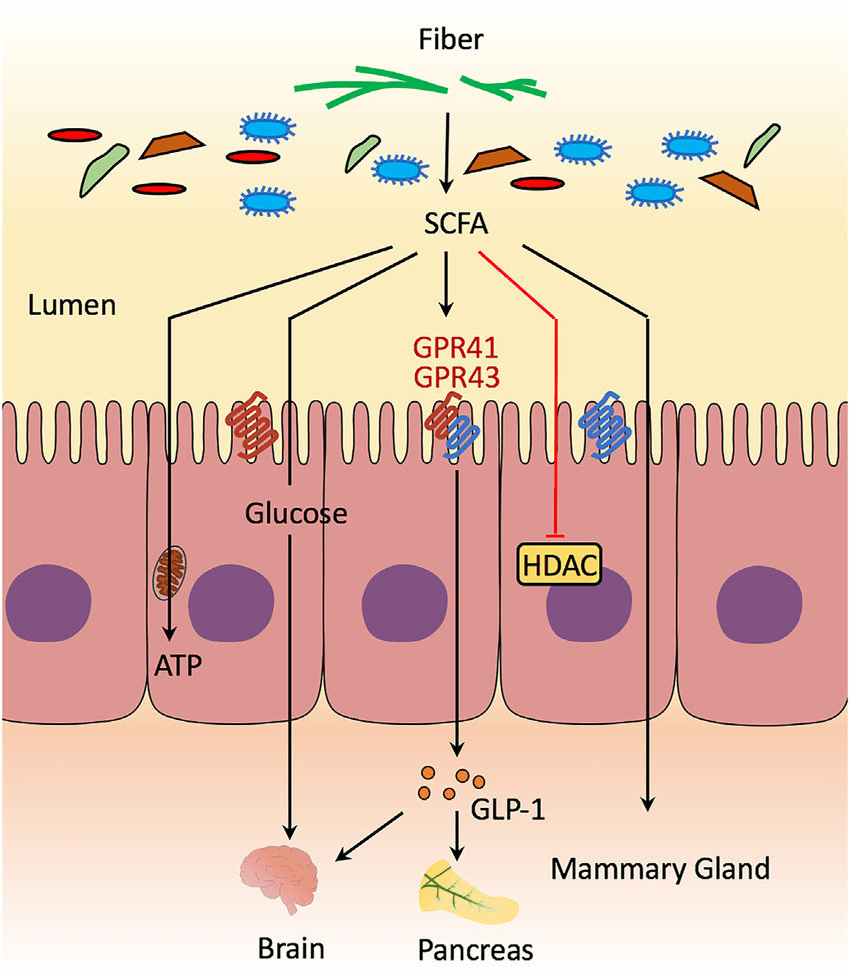
But the ingredient I’m most excited to deliver to patients is fiber. Based on data from National Health and Nutrition Examination Survey (NHANES), 95% of US residents do not consume enough fiber. I suspect that if we did, chronic disease rates would be a fraction of those rates today. Fiber promotes the feeling of satiety, prevents overeating, and facilitates weight loss. Apples are known for a soluble fiber called pectin which our gut bacteria ferment into short-chain fatty acids. These in turn induce the secretion of glucagon like peptide-1 (GLP-1). Guess what Ozempic does? It increases GLP-1. We can think of apples as nature’s Ozempic, just without the nausea and vomiting.
So far, around 80% of patients accept the apple. Those who decline often have a dental issue, which helps us identify it and prompts me to make the referral. I am hopeful the initiative will scale. Other clinicians don’t have to be plant-based to see the appeal. If self-funding the apples is a deterrent, there are surely grants, orchards or grocery stores that would support this cause. Let the seeds spread.
https://pmc.ncbi.nlm.nih.gov/articles/PMC6124841/#bibr10-1559827615588079
 herbivores.life
